
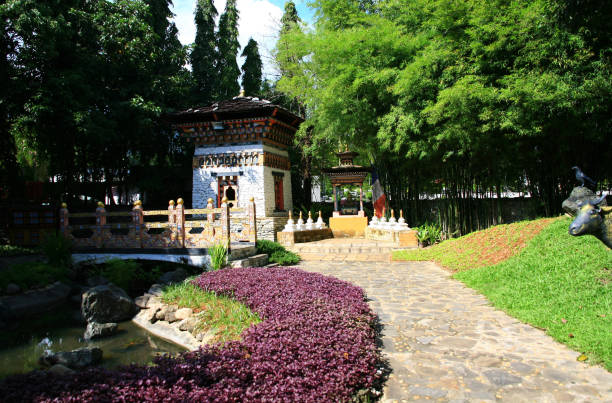
The Royal Botanical Garden Bhutan, located in Lamperi, is one of the most peaceful and naturally rich destinations in Bhutan. Positioned strategically between Thimphu and Punakha, this garden offers travelers a unique opportunity to experience the untouched biodiversity of the Eastern Himalayas.
Unlike crowded tourist attractions, the Royal Botanical Garden is a place where visitors can slow down, breathe fresh mountain air, and immerse themselves in nature. Whether you are planning a Bhutan trip in 2026 or creating a professional itinerary for clients, this destination deserves a prominent place.
Introduction to Royal Botanical Garden Bhutan
The Royal Botanical Garden is Bhutan’s first botanical park, developed with the aim of conserving the country’s rich plant diversity and promoting environmental awareness. Spread across a vast forest area with varying altitudes ranging from approximately 2,100 meters to 3,750 meters, the garden showcases a wide range of ecosystems within a single location.
This variation in altitude allows visitors to witness diverse vegetation types, from temperate forests to alpine flora. The garden is not just a tourist spot but also a conservation area that reflects Bhutan’s commitment to sustainable development and ecological balance.
Location and Accessibility
The Royal Botanical Garden is located in Lamperi, along the highway connecting Thimphu and Punakha. It serves as an ideal stopover for travelers moving between these two major destinations.
Distance details:
- Approximately 30 kilometers from Thimphu
- Around 60 kilometers from Punakha
The garden is also located close to Dochula Pass, one of the most scenic mountain passes in Bhutan. Because of this, most Bhutan tour packages naturally include a stop here.
Travelers can reach the garden via private taxis, tour vehicles, or guided travel packages. Roads are well-maintained, and the journey itself offers beautiful mountain views.
History and Significance
The Royal Botanical Garden was established as part of Bhutan’s broader environmental conservation initiative. Bhutan is globally recognized for its commitment to maintaining ecological balance, and the garden plays an important role in preserving native plant species.
It acts as:
- A conservation center for rare and endangered plants
- A research hub for botanists and environmentalists
- An educational space for visitors and students
- A key component of Bhutan’s eco-tourism strategy
The garden aligns with Bhutan’s philosophy of Gross National Happiness, which emphasizes harmony between humans and nature.
Flora and Biodiversity
One of the most important reasons to visit the Royal Botanical Garden is its rich biodiversity. The park is home to more than 300 species of plants, including rare and endangered varieties.
Rhododendron Collection
The garden is especially famous for its rhododendrons, with more than 40 species found here. During the spring season, the landscape transforms into a vibrant display of colors, attracting tourists and photographers from around the world.
Medicinal Plants
Bhutan has a strong tradition of herbal medicine, and the garden preserves many medicinal plant species used in traditional healing practices. These plants are an important part of Bhutanese culture and healthcare systems.
Forest Types
The garden includes different forest ecosystems such as:
- Broadleaf forests
- Coniferous forests
- Alpine vegetation zones
These diverse habitats support not only plant life but also birds and small wildlife, making the area ideal for nature observation.
Top Attractions Inside the Garden
Nature Trails
The Royal Botanical Garden offers well-maintained walking trails that allow visitors to explore the forest at their own pace. These trails are suitable for both casual visitors and those interested in light trekking.
Walking through these trails provides a peaceful experience, away from urban noise, making it ideal for relaxation and mindfulness.
Hanging Bridge
A small hanging bridge inside the garden offers scenic views of the surrounding forest and valleys. It is one of the most popular photography spots within the park.
Viewpoints
There are several viewpoints within the garden where visitors can enjoy panoramic views of the Himalayan landscape. These spots are perfect for photography and quiet reflection.
Picnic Areas
Designated picnic areas make it possible for families and groups to spend extended time inside the garden, enjoying the natural surroundings.
Best Time to Visit Royal Botanical Garden Bhutan
Spring (March to May)
This is the best time to visit the garden. Rhododendrons and other flowers are in full bloom, creating a colorful and vibrant environment. The weather is also pleasant, making it ideal for walking and sightseeing.
Summer (June to August)
The garden becomes lush and green during the monsoon season. While rainfall is common, the scenery remains beautiful and refreshing.
Autumn (September to November)
Autumn offers clear skies and excellent visibility of the surrounding mountains. This is another great time for photography and outdoor activities.
Winter (December to February)
Winters are cold, but the garden is less crowded. Visitors who prefer solitude may enjoy this season.
Entry Fees and Timings (2026)
Entry fees for the Royal Botanical Garden are generally affordable:
- International tourists: Approximately Nu. 100 to 300
- Indian tourists: Lower rates apply
Timings:
- Open from 9:00 AM to 5:00 PM
- Open throughout the year, subject to weather conditions
It is advisable to confirm updated fees and timings before visiting.
Travel Tips for Visitors
Visitors planning a trip to the Royal Botanical Garden should keep the following in mind:
- Wear comfortable walking or trekking shoes
- Carry a light jacket, as weather conditions can change quickly
- Bring water and light snacks
- Carry a camera for photography
- Avoid littering and respect the natural environment
Nearby Attractions
Dochula Pass
Located close to the garden, Dochula Pass is known for its 108 memorial stupas and stunning views of the Himalayan mountain range.
Punakha Dzong
One of Bhutan’s most beautiful monasteries, Punakha Dzong is located at the confluence of two rivers and is a major cultural attraction.
Thimphu
Bhutan’s capital city offers a mix of modern development and traditional culture, with various monasteries, markets, and museums.
Importance in Bhutan Tourism
The Royal Botanical Garden plays a significant role in Bhutan’s tourism sector. As the country focuses on sustainable and high-value tourism, destinations like this garden help promote eco-tourism and environmental awareness.
For travel companies and tour operators, including this destination in itineraries adds value by offering clients a peaceful and nature-focused experience.
Why You Should Visit in 2026
The Royal Botanical Garden Bhutan is an ideal destination for travelers who want to explore Bhutan beyond its popular monasteries and cultural sites. It offers a rare opportunity to connect with nature in a quiet and unspoiled environment.
Whether you are traveling for leisure, photography, or professional purposes, the garden provides a refreshing experience that aligns perfectly with Bhutan’s natural beauty and philosophy.
Conclusion
The Royal Botanical Garden Bhutan stands as a symbol of the country’s dedication to preserving nature and promoting sustainable tourism. With its rich biodiversity, scenic landscapes, and peaceful atmosphere, it offers an experience that is both relaxing and enriching.
A visit to this garden is not just about sightseeing—it is about experiencing Bhutan’s natural heritage in its purest form.
