
Introduction
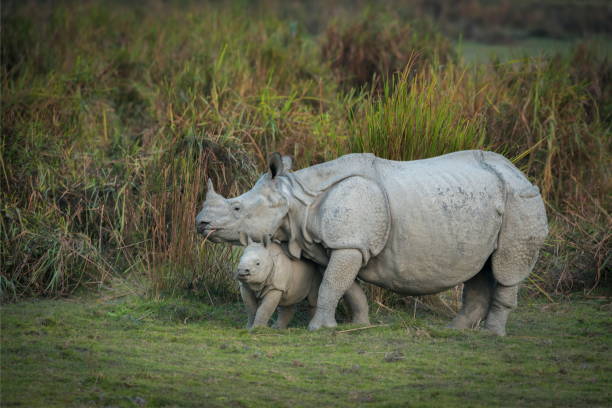
Kaziranga National Park in Assam is home to two-thirds of the world’s entire population of the one-horned rhinoceros, along with wild elephants, Bengal tigers, and a genuinely staggering variety of birdlife, all spread across roughly 430 sq. km of grassland, marsh, and dense forest along the Brahmaputra River. It’s a UNESCO World Heritage Site and, for most visitors to Assam, the single biggest reason to make the trip.
But planning a Kaziranga safari involves more decisions than people expect — which of the four safari zones to choose, whether to go for a jeep or elephant safari, what the timings and fees look like, and crucially, when the park is even open, since Kaziranga closes entirely for several months during monsoon. As the best travel agency in Siliguri, AKKCRUSIER PRIVATE LIMITED arranges Kaziranga trips as part of most of our Assam packages, and this guide covers everything you need to plan yours with confidence.
Kaziranga’s Four Safari Zones Explained
Kaziranga is divided into four distinct safari zones (ecotourism ranges), each with its own entry gate, landscape, and wildlife strengths. There’s no single “best” zone — each offers a genuinely different experience, so understanding the differences helps you choose based on what you most want to see.
1. Central Range (Kohora)
The most popular and most visited zone, and the original core area of the park. Known for consistently strong rhino sightings, open grassland views, and the best chances of spotting a tiger, since this range has the park’s highest tiger density. Both jeep and elephant safaris are available here, making it the most flexible zone for first-time visitors.
2. Western Range (Bagori)
Famous for its proximity to the Brahmaputra River, Bagori offers excellent views of elephant herds and rhinos grazing at a relatively close, safe distance. This is also one of only two zones offering elephant safaris, alongside Kohora, making it a strong choice if the elephant-back experience is a priority for you.
3. Eastern Range (Agaratoli)
Dotted with numerous water bodies, Agaratoli is the best zone for bird watching, home to a wide variety of migratory and resident species. It’s also the only zone offering a boat safari, giving you a completely different perspective of the park compared to a jeep or elephant ride.
4. Burapahar Range
The most offbeat of the four zones, located near Ghorakati village with hilly, forested terrain quite different from the grasslands elsewhere in the park. Ideal for birding and a quieter, more nature-trail-like experience, and one of the better zones for spotting the hoolock gibbon, India’s only ape species.
Our recommendation: If you only have time for one safari, Kohora (Central Range) offers the most balanced experience with the best rhino and tiger sighting odds. If you have two days, pair it with Bagori (Western Range) for the elephant-herd views along the river, or Agaratoli if birdwatching is a priority.
Jeep Safari vs Elephant Safari: Which Should You Choose?
This is the most common question we get from first-time Kaziranga visitors, and honestly, the two experiences complement each other rather than compete — many travellers do both.
Jeep Safari
- Timings: Typically two slots a day — a morning slot (around 7:30–9:30 AM in summer, 8:00–10:00 AM in winter) and an afternoon slot (around 1:30–4:30 PM), with exact windows varying slightly by season and zone.
- Capacity: Up to 6 persons per jeep.
- Cost: Roughly ₹4,500 – ₹5,500 per jeep (shared across your group), varying by zone and season.
- Best for: Covering more ground, moving between different habitats within a zone, and a longer overall safari duration (around 2 hours).
- Coverage: Available across all four zones — Kohora, Bagori, Agaratoli, and Burapahar.
Elephant Safari
- Timings: Early morning only, typically between 5:00 AM and 7:00 AM, in two back-to-back one-hour slots.
- Capacity: Up to 4 persons per elephant.
- Cost: Roughly ₹1,200 – ₹2,000 per person, depending on nationality and availability.
- Best for: Getting genuinely close to grazing rhinos in tall grassland that a jeep simply can’t access — this is the safari style most associated with Kaziranga’s classic postcard images.
- Coverage: Available only in the Central (Kohora) and Western (Bagori) zones.
- A note on ethics: Some travellers choose to skip elephant safaris altogether due to animal welfare considerations. This is a personal decision, and a jeep safari alone gives you a complete Kaziranga experience without missing out on the park’s main highlights, including strong rhino sightings.
Our recommendation: If you’re comfortable with it, doing one elephant safari (early morning) followed by a jeep safari later the same day gives you the fullest picture of the park — the elephant ride for that close-up grassland experience, and the jeep for covering more terrain across a longer window.
Kaziranga Safari Booking Process
- Safaris can be booked online through the official Kaziranga/Assam Forest Department booking portal, or offline at safari counters near the park gates.
- Advance booking is strongly recommended during peak season (November to February), since jeep and especially elephant safari slots fill up quickly.
- Pricing typically includes the entry permit fee, safari vehicle/elephant fee, and a naturalist guide fee — all bundled into the quoted rate.
- Jeep safari fees are charged per vehicle, so splitting the cost across a full group of 6 significantly reduces the per-person price. Elephant safari fees are charged per person.
- If you’re booking both a jeep and elephant safari together on the same day, note that most operators will assign your jeep safari to the Central (Kohora) zone by default, since that’s where both safari types are offered together.
- Slots, timings, and zone availability are ultimately controlled by the forest department, so even with advance booking, confirmations (especially for elephant safaris) are sometimes only finalised the evening before.
Our advice: Rather than booking safaris independently and hoping for slot availability, arrange them as part of your Kaziranga tour package — this way, zone selection, timing, and hotel-to-gate logistics are all coordinated together, and you’re not left scrambling for a confirmed slot once you’ve already arrived.
Best Time to Visit Kaziranga: When Is the Park Open?
This is the single most important thing to know before planning a Kaziranga trip: the park is closed to tourists for several months every year during monsoon, typically from around May through October, reopening around late October or early November, depending on flood recovery and forest department clearance each year.
- November to April is the safari season, and the window during which the park is open to visitors.
- November to February: The best overall window — pleasant weather, tall grass has been cleared (making animal sightings easier), and peak wildlife activity.
- March to April: Still a good window, with warmer days but generally good sightings, and slightly thinner crowds compared to the December–January peak.
- May to October (Monsoon): The park is closed to tourists, as the Brahmaputra floods much of the grassland every year — an important, dramatic part of the park’s natural cycle, but not a period during which safaris operate.
Our recommendation: Book your Kaziranga trip anywhere between November and February for the best combination of weather, sightings, and comfortable travel conditions. If you’re specifically chasing shorter queues and slightly better rates, early November (right after reopening) or March are good alternative windows.
What to Expect on Your Kaziranga Safari
- Dress warmly for early morning slots, especially in winter — open jeeps and elephant safaris both mean direct exposure to cold morning air, even though Assam’s daytime temperatures warm up quickly.
- Carry binoculars and a zoom lens if you’re serious about photography, particularly for bird sightings in Agaratoli.
- A naturalist guide accompanies every safari, and is genuinely worth listening to — they’re skilled at spotting wildlife well before most visitors would notice it themselves.
- Rhino sightings are near-guaranteed in season, given Kaziranga’s rhino density, but tiger sightings remain rare and are never guaranteed, even in the Central zone.
- Nearby attractions worth combining with your safari days include the Kaziranga National Orchid and Biodiversity Park and short visits to local Assam tea gardens, both easily added to a 2–3 day Kaziranga itinerary.
Why Book Your Kaziranga Safari Through AKKCRUSIER?
Between choosing the right zone, deciding on jeep versus elephant safari, and working around limited slot availability in peak season, a Kaziranga trip benefits significantly from advance, coordinated planning. As the best travel agency in Siliguri, AKKCRUSIER PRIVATE LIMITED arranges complete Kaziranga safari packages — zone selection, safari slot booking, resort stays near the park, and private transfers from Guwahati — so you spend your time spotting rhinos, not chasing confirmations.
Explore our Assam Tour Packages, which include Kaziranga safari experiences, or contact us for a customised itinerary.
Ready to plan your Kaziranga safari? Get in touch today for current season availability and package options.
Frequently Asked Questions
Q1. Which is the best zone for a Kaziranga safari? The Central Range (Kohora) offers the most balanced experience, with strong rhino sightings and the best chance of spotting a tiger. Bagori (Western Range) and Agaratoli (Eastern Range) are excellent add-ons for elephant-herd views and birdwatching respectively.
Q2. Should I choose a jeep safari or elephant safari in Kaziranga? Both offer different experiences — the jeep safari covers more ground over a longer duration, while the elephant safari (available only in Kohora and Bagori) gets you closer to grazing rhinos in tall grassland. Many travellers do both.
Q3. When is Kaziranga National Park open for safaris? The park is open from November to April. It remains closed to tourists from around May through October due to monsoon flooding.
Q4. How much does a Kaziranga jeep safari cost? A jeep safari typically costs ₹4,500 – ₹5,500 per vehicle (accommodating up to 6 people), varying by zone and season.
Q5. Is Kaziranga a good place to see tigers? Kaziranga does have a healthy tiger population, particularly in the Central Range, but tiger sightings are rare and never guaranteed, even during a well-timed safari. Rhino sightings, by contrast, are highly likely.
Q6. Can I book a Kaziranga safari without a travel agent? Yes, safaris can be booked directly through the official forest department portal or at safari counters, though advance booking through a travel agent helps coordinate zone selection, slot confirmation, and hotel logistics, especially during peak season.
Planning your Assam and Kaziranga trip? AKKCRUSIER PRIVATE LIMITED, the trusted travel agency in Siliguri, arranges complete Kaziranga safari packages with zone selection and guaranteed slot bookings. Get in touch today.
