
Bhutan, known as the Land of the Thunder Dragon, is one of the most beautiful destinations in the Himalayas. From dramatic mountain landscapes and ancient monasteries to colorful prayer flags and traditional Bhutanese architecture, every corner of the country offers a picture-perfect setting. Whether you are a professional photographer, a travel content creator, or simply someone who loves capturing beautiful holiday memories, Bhutan provides endless opportunities for stunning photographs.
If you are planning a Bhutan tour, carrying a good camera or smartphone is highly recommended. The country’s natural beauty, unique culture, peaceful atmosphere, and traditional way of life make it an ideal destination for travel photography. Here is a complete photography guide to Bhutan covering some of the most Instagrammable places to visit.
Paro Taktsang Monastery: The Ultimate Bhutan Photography Spot
No Bhutan photography guide is complete without mentioning Paro Taktsang, popularly known as Tiger’s Nest Monastery. Perched dramatically on a cliffside surrounded by lush green mountains, this iconic monastery is one of Bhutan’s most recognizable landmarks.
The journey to Tiger’s Nest involves a scenic hike through pine forests, making the entire experience perfect for photography. Capture wide-angle photographs of the monastery against the mountain backdrop or take detailed shots of the colorful Buddhist architecture.
Early morning is an excellent time to visit because the soft natural light creates a beautiful atmosphere. The higher viewpoints along the hiking trail also offer fantastic opportunities to photograph the monastery from different perspectives.
Paro Valley: Beautiful Landscapes and Traditional Architecture
The charming Paro Valley is another fantastic destination for photography in Bhutan. Surrounded by mountains, the valley features traditional Bhutanese houses, green fields, rivers, and ancient temples.
Photographers can capture the peaceful rural landscapes and colorful architecture while exploring the town and surrounding areas. The traditional wooden windows and intricately painted buildings provide excellent subjects for close-up photography.
For Instagram-worthy travel photos, try capturing the contrast between Bhutan’s traditional architecture and its spectacular Himalayan surroundings.
Rinpung Dzong: A Cultural Photography Experience
Located in Paro, Rinpung Dzong is one of the most impressive examples of Bhutanese architecture. The massive fortress-monastery features beautiful wooden balconies, colorful paintings, intricate details, and traditional white walls.
The architecture provides plenty of opportunities for both wide-angle and detail photography. Capture the entire dzong from a distance or focus on its beautifully decorated windows and wooden structures.
The surrounding valley also creates a stunning background for photographs, especially when the landscape is green and vibrant.
Thimphu: Capture the Modern Side of Bhutan
Thimphu, the capital city of Bhutan, offers a different photography experience. Unlike the peaceful countryside, Thimphu combines traditional Bhutanese culture with modern city life.
Travel photographers can capture colorful buildings, busy streets, local markets, traditional clothing, and everyday life. The city’s unique architecture makes even ordinary streets visually interesting.
One of the best ways to photograph Thimphu is to explore the city slowly. Look for small details such as prayer wheels, colorful signs, traditional windows, and local shops. These details can help tell a more authentic story of your Bhutan holiday.
Buddha Dordenma Statue: A Majestic Viewpoint
The Buddha Dordenma Statue is one of the most popular photography locations in Thimphu. Standing high above the capital, the massive golden Buddha statue offers breathtaking views of the surrounding valley.
Photographers can capture the statue from different angles, focusing on its impressive scale and the peaceful landscape beyond. The viewpoint is particularly beautiful during clear weather when the mountains and city can be seen in the distance.
A wide-angle lens can be useful here for capturing both the statue and the panoramic surroundings in one frame.
Punakha Dzong: Bhutan’s Most Photogenic Fortress
Punakha Dzong is often considered one of the most beautiful architectural landmarks in Bhutan. Located at the meeting point of the Pho Chhu and Mo Chhu rivers, this majestic fortress is surrounded by mountains and lush vegetation.
The combination of traditional architecture, colorful flowers, flowing rivers, and Himalayan scenery makes Punakha Dzong a dream location for photographers.
The bridge leading toward the dzong is also an excellent place for photography. Capture the traditional wooden structure with the fortress in the background for a classic Bhutan travel photograph.
Punakha Suspension Bridge: Perfect for Adventure Photography
Located near Punakha Dzong, the Punakha Suspension Bridge is one of the most Instagrammable places in Bhutan. Stretching across the Mo Chhu River, this long suspension bridge is decorated with colorful prayer flags.
The bridge creates an excellent composition for photographs. You can capture the colorful flags blowing in the wind, the river flowing below, and the surrounding mountains.
For a more adventurous photograph, walk toward the center of the bridge and photograph the pathway created by the hanging prayer flags.
Dochula Pass: Himalayan Views and Colorful Prayer Flags
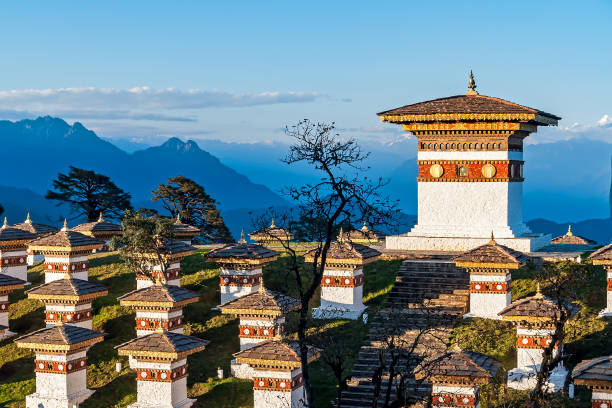
Located between Thimphu and Punakha, Dochula Pass is a must-visit destination for photography lovers. The pass is famous for the 108 Druk Wangyal Chortens, which stand against a spectacular mountain backdrop.
On a clear day, visitors can enjoy breathtaking views of the Himalayan peaks. The combination of white stupas, colorful prayer flags, green hills, and snow-covered mountains creates an incredible photography setting.
Weather conditions can change quickly at Dochula Pass, so photographers should be prepared for different lighting conditions. Cloudy weather can create a dramatic mood, while clear skies provide beautiful mountain views.
Phobjikha Valley: A Dream Destination for Nature Photography
Phobjikha Valley is one of the most peaceful and scenic places to visit in Bhutan. The wide valley is surrounded by green hills and is known for its natural beauty and traditional rural landscapes.
The valley is particularly famous for the black-necked cranes that migrate here during the winter months. If you visit during the crane season, you may have the opportunity to capture these beautiful birds in their natural environment.
Apart from wildlife photography, the valley is perfect for landscape photography. Capture the open fields, traditional homes, distant mountains, and peaceful atmosphere for a collection of beautiful Bhutan travel photographs.
Gangtey Monastery: A Peaceful Architectural Setting
Located above Phobjikha Valley, Gangtey Monastery offers spectacular views of the surrounding landscape. The monastery’s traditional Bhutanese design and peaceful surroundings make it an excellent place for cultural photography.
Photographers can capture the monastery’s architecture, prayer flags, surrounding hills, and panoramic valley views. The location is especially beautiful during sunrise and sunset when the changing light creates a warm and atmospheric setting.
Chele La Pass: Photograph Bhutan from the Highest Road Pass
For dramatic mountain landscapes, Chele La Pass is one of the best places to visit in Bhutan. Located near Paro, the pass offers spectacular views of the Himalayan landscape.
The winding mountain roads, colorful prayer flags, alpine vegetation, and distant peaks create endless photography opportunities. On clear days, photographers may also enjoy views toward Mount Jomolhari and other Himalayan peaks.
Because of the high altitude and unpredictable weather, visitors should dress warmly and be prepared for changing conditions.
Best Photography Tips for Your Bhutan Tour
The best way to capture Bhutan is to photograph both its famous landmarks and its everyday life. While iconic locations such as Tiger’s Nest and Punakha Dzong deserve a place on your Instagram feed, some of the most memorable photographs may come from quiet villages, local markets, mountain roads, and peaceful monasteries.
Use early morning and late afternoon light whenever possible. The soft light during these hours can make landscapes and architecture look more dramatic.
A wide-angle lens is useful for capturing mountains and large architectural structures, while a standard or telephoto lens can help with portraits and distant landscapes.
Always respect local customs when photographing monasteries, monks, and local people. Ask for permission before taking close-up portraits of individuals, and follow photography rules inside religious sites.
Do not forget to photograph the small details. Colorful prayer flags, traditional Bhutanese doors, wooden windows, prayer wheels, Buddhist artwork, and local handicrafts can add variety to your travel photography collection.
Best Time for Photography in Bhutan
The best time to visit Bhutan depends on the type of photographs you want to capture. Spring brings colorful flowers and lush landscapes, making it ideal for nature photography. Autumn generally offers clear skies and excellent mountain visibility, making it a popular season for landscape photography.
Winter can provide crisp mountain views and opportunities to photograph snow-covered landscapes, while the monsoon season brings lush green scenery but also cloudy skies and rainfall.
For photographers who want a combination of pleasant weather, clear mountain views, and beautiful landscapes, spring and autumn are often excellent choices.
Plan Your Bhutan Photography Tour
Bhutan is a destination where every journey can become a visual story. From the iconic Tiger’s Nest Monastery and historic dzongs to colorful prayer flags, peaceful valleys, Himalayan viewpoints, and traditional villages, there is no shortage of Instagrammable places to visit.
A well-planned Bhutan tour allows you to explore the country’s most famous landmarks while also discovering lesser-known locations that offer unique photography opportunities. Whether you are capturing landscapes, architecture, culture, wildlife, or everyday moments, Bhutan offers a perfect blend of experiences for every travel photographer.
So, pack your camera, charge your batteries, carry extra memory cards, and get ready to explore the breathtaking beauty of the Himalayas. Your Bhutan holiday may give you more than unforgettable memories—it may also give you a stunning collection of photographs that will keep the journey alive for years to come.
